
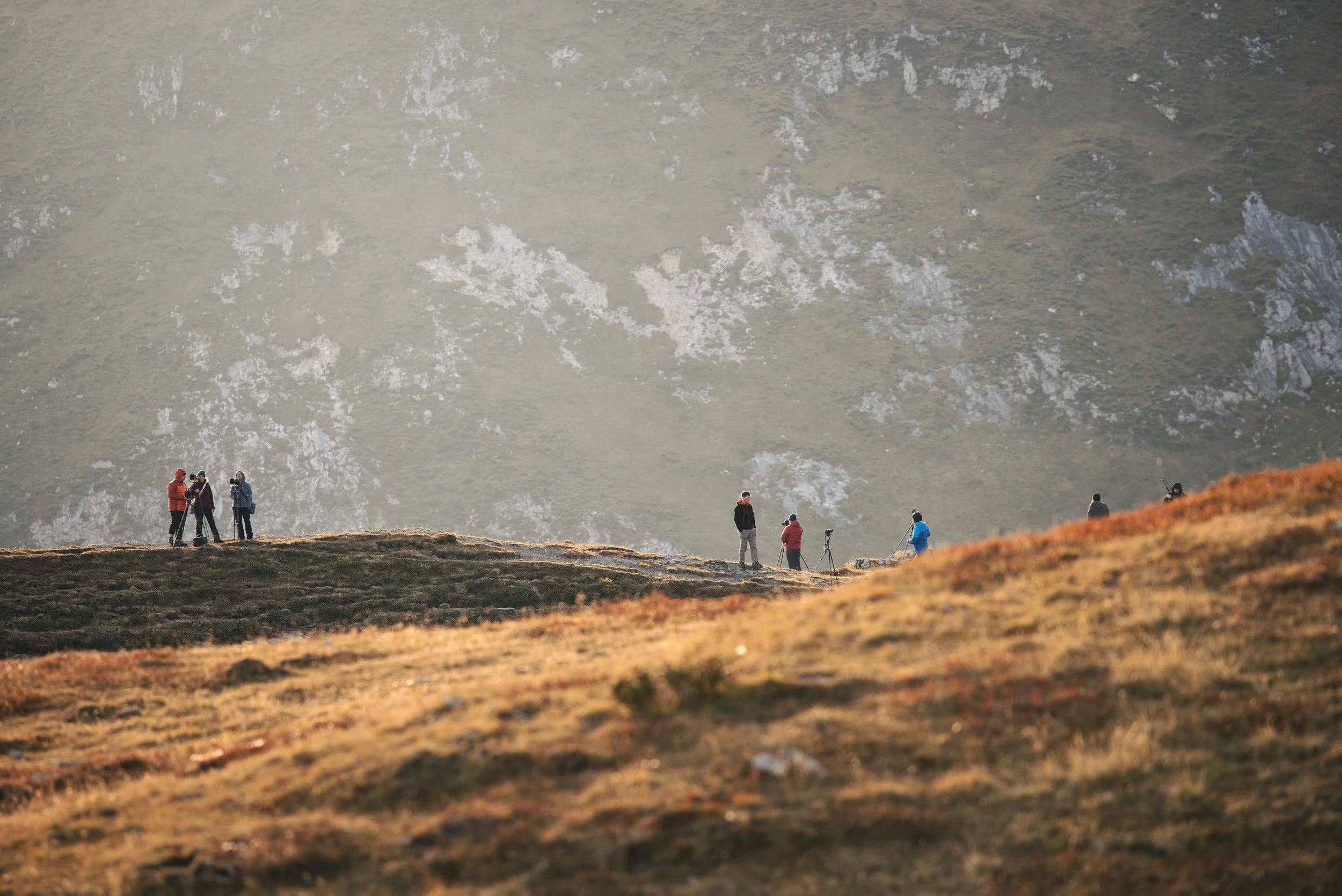
There is a particular quality to the learning that happens away from school. Not the kind that comes from a lesson well taught or a test carefully prepared, but the kind that arrives when a child packs their own bag for the first time, shares a dormitory with their classmates, or cooks dinner in an unfamiliar kitchen. These moments are not decorative. They are formative.
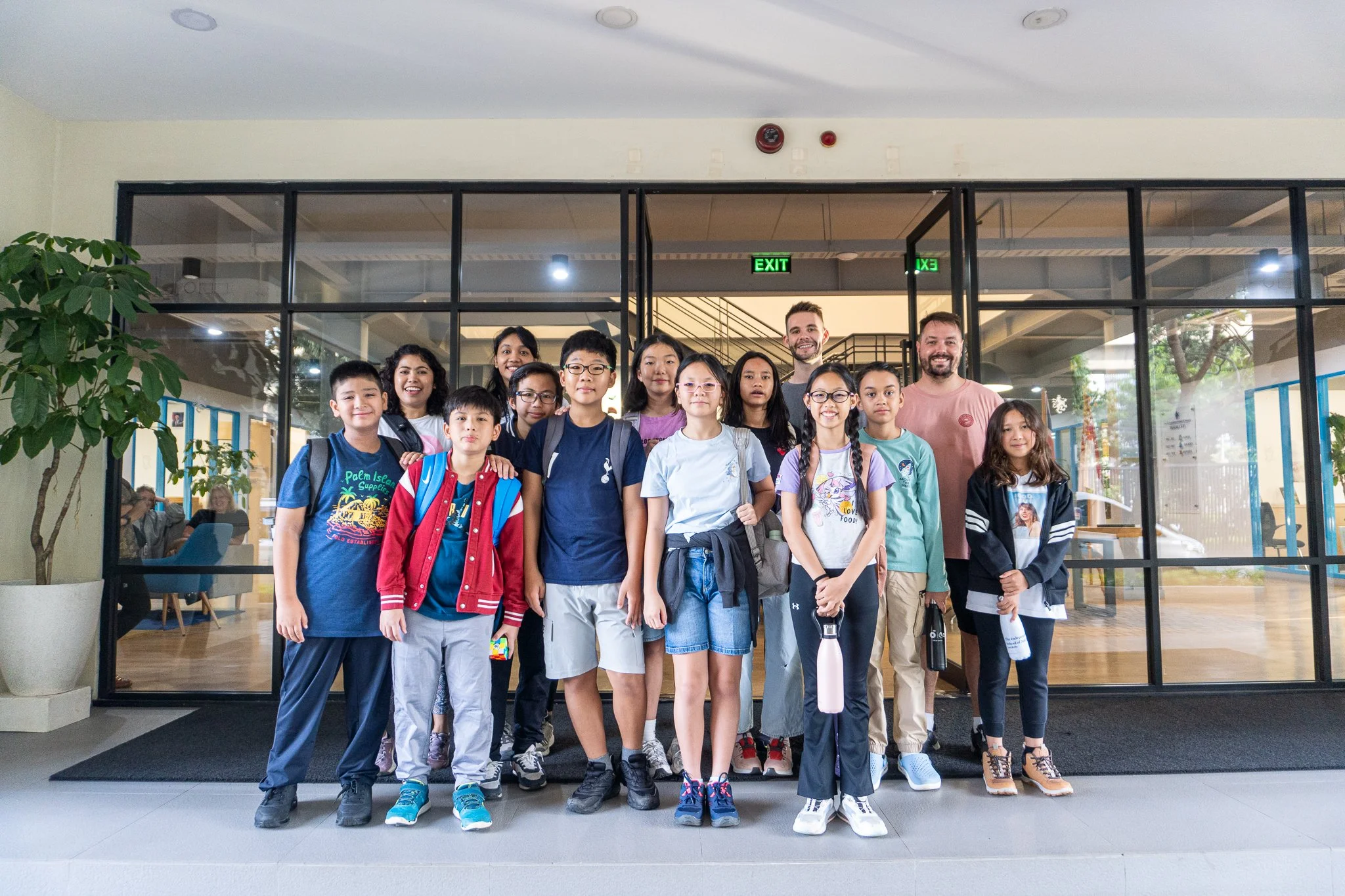
At ISJ, residential trips form a core part of the educational programme for pupils in Years 5 and 6. The destinations vary: Bali and Bogor offer immersion in Indonesia's natural and cultural landscape, while Woolverstone Hall in Ipswich, England, gives pupils the experience of a different country and a different climate entirely. What the trips share is their purpose. Each one is designed to do something that daily school life, however rich, cannot do alone.
The First Steps Towards Independence
For many pupils, a residential marks the first time they have spent several consecutive nights away from home. What this requires of them is not dramatic, but it is real. Organising belongings. Managing a routine without parental guidance. Deciding how to spend an unstructured half-hour. Finding confidence in a new environment.
These small moments accumulate. A child who arrives uncertain about sleeping away from home often returns with a quiet confidence that has not come from any lesson. They have managed something independently, perhaps for the first time, and that experience shifts how they see themselves. The foundations laid in those few days, of resilience, of self-reliance, of the capacity to cope with the unfamiliar, are ones that secondary school and adult life will continue to draw on.
What Living Together Teaches
School builds friendships, but it does not quite replicate the bonds that form when a group of children shares meals, chores, and evenings together for several days. The residential experience asks something different of community than the classroom does.
Sharing a dormitory means learning to be considerate at night. Preparing dinner together means negotiating tasks without a teacher directing the process. A longer hike than expected means deciding together how to encourage the person who is struggling. Teamwork and empathy are not abstract values in these situations. They are daily necessities.
The values of kindness, cooperation, and respect are central to life at ISJ. Residential experiences give pupils the chance to practise those values in contexts where they genuinely matter, where the support of the group makes a real difference to each individual within it. These values sit at the heart of ISJ's approach to character and personal development.
Broadening Horizons
There is knowledge that can only come from being somewhere. A journey to Bali allows pupils to encounter Indonesia's landscapes, culture, and ways of life in a way no textbook or screen can match. A visit to Ipswich gives children raised in Jakarta the experience of an entirely different country: its architecture, its food, its pace, the particular quality of its light in autumn.
These encounters matter. Children who have walked different streets, eaten unfamiliar food, and heard a new accent carry something home with them: a felt sense that the world is larger and more varied than their immediate experience, and that they are capable of finding their place within it. Global awareness is not an attitude that can be taught directly. It develops through experience, and residential trips provide precisely that.
Growth Through Challenge
Residentials involve challenge. A hike that turns out to be longer than expected. A new food that requires some courage to try. The task of beginning a conversation with someone who sounds different. Each of these moments asks a child to step beyond their comfort zone.
It is in exactly these moments that children discover reserves of capability they did not know they had. Time and again, pupils return from residentials with greater self-belief, more willingness to take risks in their learning, and a deeper openness to new experiences. The challenge is not incidental to the value of the trip. It is central to it.
"When pupils are away from the familiarity of home or school, they reveal remarkable strengths, including teamwork, leadership, and empathy, that can't always be seen in a classroom setting. Those experiences shape not only their confidence but their character, and that's what a truly holistic education is about."
William Harrison, Deputy Head (Academic), ISJ
Memories That Last
Ask any adult about their school days and the residential experiences tend to surface with a clarity that most lessons do not. The laughter in dormitories. The satisfaction of completing something difficult. The particular friendship forged over a shared meal a long way from home. These memories are not trivial. They are often among the clearest evidence people carry of who they were becoming during their school years.
At ISJ, the aim is not simply to take pupils somewhere interesting. It is to give them experiences they will carry forward: a sense of their own capability, a genuine connection to their classmates, and an understanding of the world that extends beyond Jakarta and beyond the page. Residentials form part of a wider programme of personal development that continues into the Senior School, where leadership and independence are cultivated further.
Residentials, understood properly, are about preparing children for life. They help pupils become independent, resilient, empathetic, and curious in ways that classroom time alone cannot achieve. Education is lived out in every challenge faced and every adventure embraced, and the residential trip is where that truth becomes most vivid.