
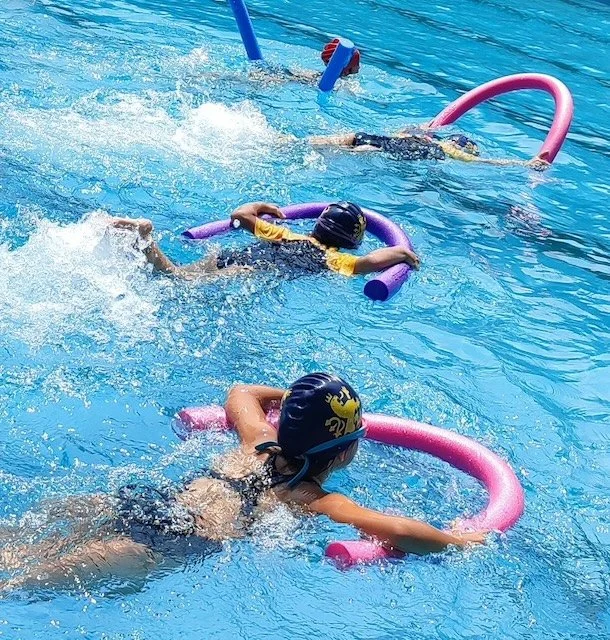
Physical activity is not a break from learning. It is part of how children learn. Research consistently shows that physically active pupils perform at least as well as, and often better than, their less active peers, particularly in mathematics and reading.
At ISJ, movement is treated as an integral element of effective teaching and learning. Understanding the evidence behind this shapes how ISJ plans the school day and communicates with families about the value of PE, active classrooms, and play. The Sport programme is one expression of this commitment.
How Movement Supports the Brain
After brief physical activity, pupils typically settle more quickly, listen more attentively, and stay on task for longer. Regular exercise supports the development of memory, attention, and self-regulation: the cluster of skills that help pupils follow instructions, solve problems, and persist with challenging work.
In simple terms, being active prepares the brain to learn. Physical activity increases blood flow to the brain, supports the growth of new neural connections, and regulates the stress responses that can otherwise make sustained concentration difficult for children.
No Loss to Core Subjects
A common concern among parents and schools is that time devoted to PE reduces time available for English or mathematics. The evidence does not support this. Reviews of school-based programmes consistently show that increasing opportunities to be active either has no negative effect on attainment or produces small, positive gains.
Protecting PE is not a trade-off against academic progress. It makes the remaining lesson time more effective. A pupil who has been active at break, or who has moved during a lesson, is better placed to concentrate when seated work is required.
Benefits Across the Curriculum
The academic benefits of physical activity are not limited to PE. Research points to improvements across the following areas:
- Mathematics and reading: meta-analytic findings show meaningful improvements in attainment when pupils are regularly active
- Attention and behaviour: short movement breaks and physically active lessons are associated with improved focus and on-task behaviour
- Confidence and wellbeing: high-quality PE builds competence and motivation, encouraging active habits that support health and readiness to learn
These findings reinforce a whole-school approach to physical activity, rather than treating PE as an isolated subject with value only for fitness.
Developing Wider Life Skills
High-quality PE builds the personal and social skills that help pupils thrive across school and beyond. Regular opportunities to lead a warm-up, captain a team, or officiate a game develop leadership, confidence, and fair decision-making.
Paired and small-group activities strengthen communication and active listening. Team challenges build collaboration and respect. The natural ups and downs of sport develop resilience and the ability to respond constructively to setbacks and to feedback.
Creative tasks in dance and gymnastics develop imagination and confidence in a different register. Inclusive practices, such as differentiated roles and adapted rules, help ensure every pupil can contribute meaningfully, regardless of physical ability.
Active Learning Beyond PE
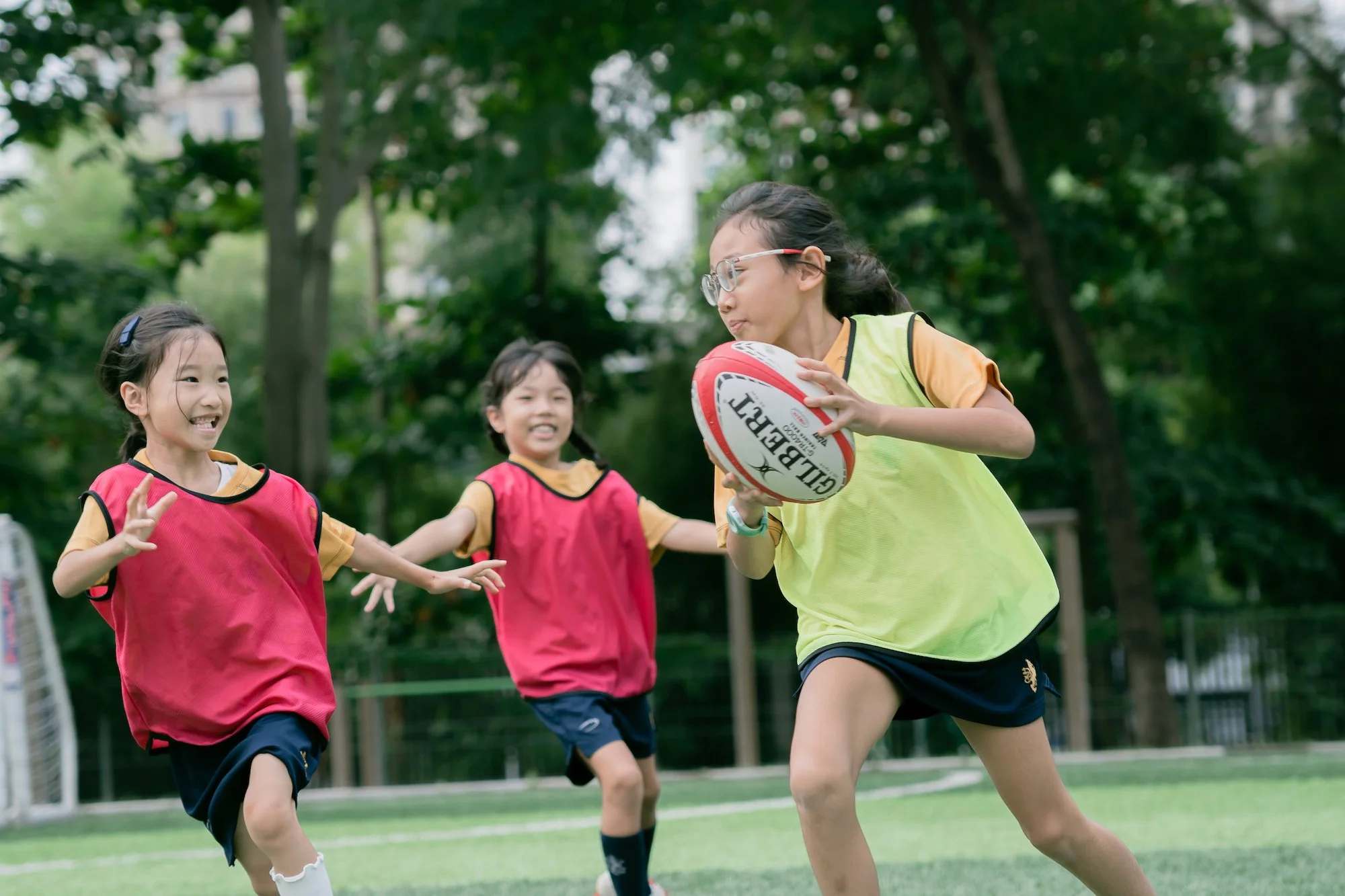
ISJ's approach extends beyond the weekly PE timetable. Active classrooms integrate short movement breaks and activity-based tasks into ordinary lessons. Pupils might practise vocabulary or number facts while moving, or take a two-minute movement break before a sustained writing task.
Active playtimes and inclusive clubs mean every pupil has the opportunity to be physically active across the school day, not only during scheduled PE lessons. The aim is for movement to be a regular part of school life, not a special occasion.
A Note for Families
If a child describes a movement break during an English lesson, or a physically active task during mathematics, this is not time away from learning. It is part of how ISJ helps pupils concentrate and make progress.
On busy school days, ensuring pupils arrive with suitable footwear, water, and readiness for PE makes a practical difference. Families who also prioritise active time at home, whether through sport, walking, or play, reinforce habits that support learning throughout the week.
The Case in Summary
Physical activity should not be reduced in favour of additional desk time. It improves focus, behaviour, and confidence and is linked with measurable gains in attainment, particularly in mathematics and reading, without any academic penalty.
Keeping pupils active is a practical, evidence-informed way to help them learn well and feel well. This is central to ISJ's whole-child approach to education, one that takes the development of mind and body as equally serious responsibilities. The campus facilities are designed to support this across the school day.