
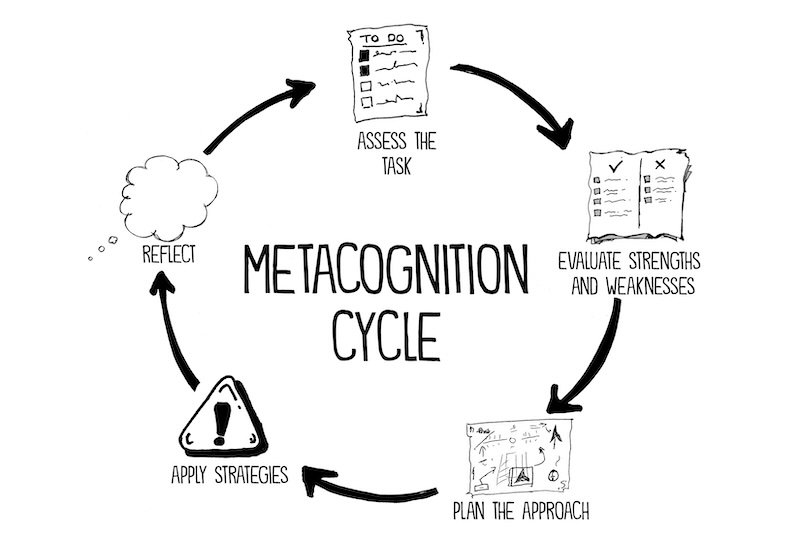
The focus at ISJ is not just on the content of learning, but on the craft of becoming a lifelong learner. From the Early Years through to the end of primary school, children are taught not only what to think, but how to think. This approach runs through all key stages as set out on the Curriculum page.
One of the most powerful ways this happens is through metacognition. The word sounds complicated, but it simply means thinking about thinking. It is about helping children understand how their minds work when they learn, so they can take control of the process.
What Is Metacognition?
Metacognition is about children knowing themselves as learners. It helps them recognise what they find easy or difficult, what strategies help them succeed, and how they can make changes when something is not working.
A child might realise, "I understand this poem better when I read it out loud." An older pupil might think, "I get confused when I rush through my maths questions. I need to slow down." This kind of awareness helps pupils, even the youngest in the Early Years, take control of their learning.
Metacognition also involves self-regulation: monitoring progress and adjusting along the way. A pupil might notice that their first approach did not work and decide to try something different. Over time, this builds flexibility, resilience, and determination.
Planning, Monitoring, Evaluating
ISJ teachers encourage children to move through three stages in every task:
Planning
Before starting a task, pupils think about what they want to achieve and how they might get there. "Have I done something like this before?" "What do I need to do first?" "What resources might help?"
Monitoring
While working, pupils learn to check their progress. "Am I on the right track?" "What could I do differently?" This helps children recognise when they are struggling and encourages them to try new strategies rather than giving up.
Evaluating
After finishing, pupils reflect on how things went. "What worked well?" "What could I improve next time?" "Can I use this method again?"
Reflection turns every task, whether it went well or not, into a learning experience. The child who tried three approaches before finding one that worked has learned more than the child who got it right first time.
Why It Matters
Metacognitive skills help children become more thoughtful, confident, and independent learners. They begin to understand that effort, reflection, and strategy are as important as natural ability. These are skills that transfer well beyond school: into problem-solving, decision-making, and the ability to face unfamiliar challenges with resilience.
"Too often, we think of intelligence as a fixed commodity. Metacognitive skills are among the most transferable skills students can develop."
Organisation for Economic Co-operation and Development (OECD), 2014
At ISJ, the aim is to help children grow into curious, self-aware learners who understand not just what they know, but how they came to know it. These habits of reflection are developed throughout the primary years and continue to be applied in the Senior School, where self-regulation becomes increasingly important as academic demands increase.
Supporting Metacognition at Home
Parents can reinforce these habits with simple reflection questions after homework or projects:
- "What part did you find easiest or trickiest?"
- "What helped you when you got stuck?"
- "What would you do differently next time?"
- "Did you try a different approach when the first one didn't work?"
These conversations remind children that mistakes are part of the process, that struggle is where growth happens, and that understanding how you learn is as valuable as what you learn.